How Do Tourists Use the NYC Subway?
Tap a phone or card, pay $3, and stop paying at $35 a week. How the OMNY fare cap works for visitors, which trips it covers, and when to skip the train entirely.

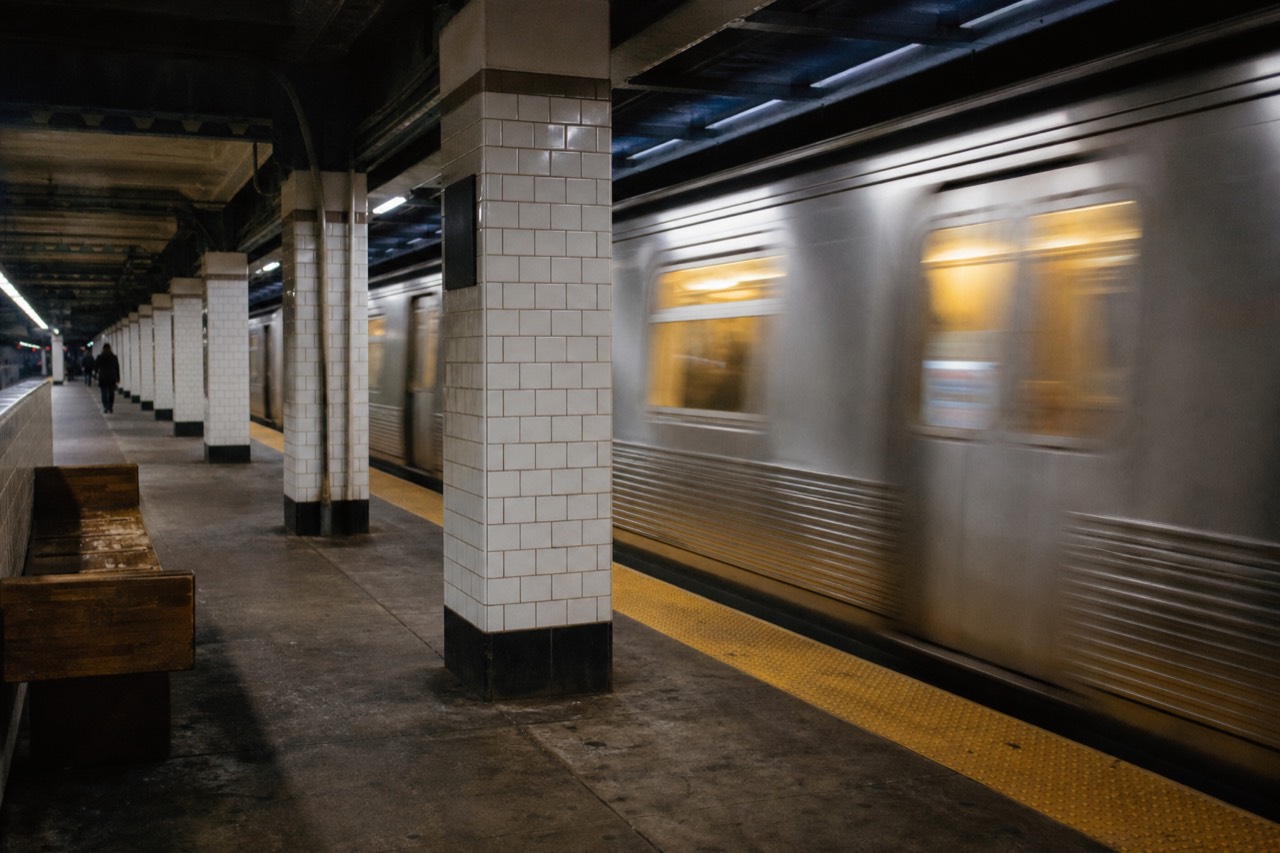
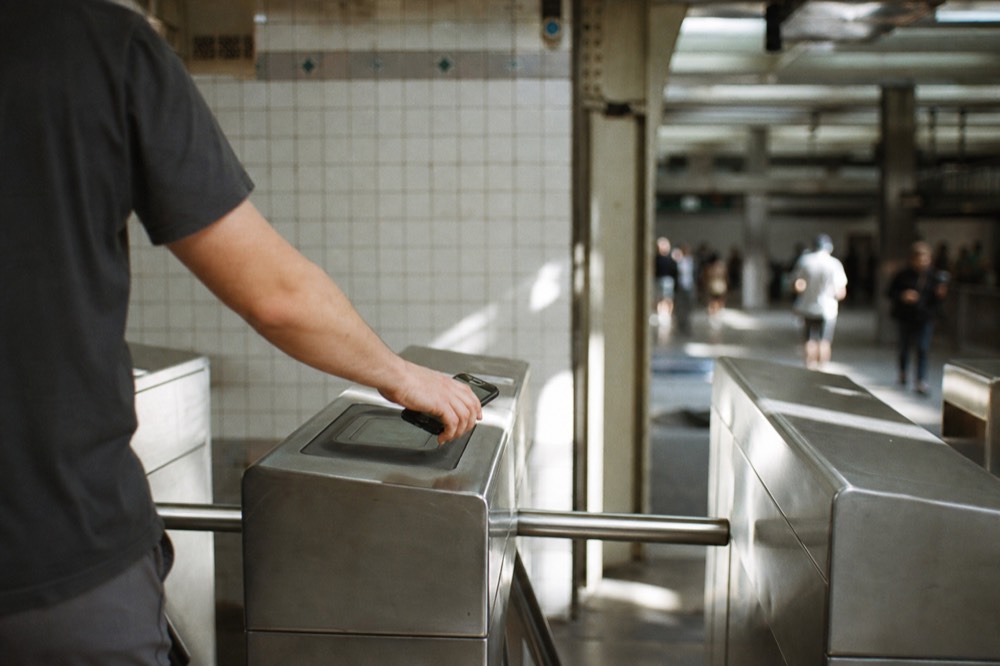
There is no ticket to buy any more. You walk up to the turnstile, hold a phone or a contactless bank card flat against the reader, and the gate opens on a beep. No machine, no queue, nothing to top up. That rollout finished in January 2026, and it is the biggest reason the system is easier for visitors than it was five years ago.
How do tourists use the New York subway?
Tap any contactless card, phone or watch on the OMNY reader at the turnstile. Each ride costs $3, charged to that card. Keep using the same card and the fare caps at $35 across a rolling seven days, so once you hit the cap the rest of that week rides free. Reduced fare is $1.50 with a $17.50 cap.
The rolling part matters. Seven days start from your first tap, not on a Monday, so a Wednesday arrival is not penalised. The cap only builds on one card or device wallet. That is the mistake visitors make: a phone in the morning and a plastic card at night splits the tally, and neither half reaches $35.
| Fare item | 2026 price |
|---|---|
| Subway or local bus, single ride | $3.00 |
| Reduced fare, single ride | $1.50 |
| Rolling 7-day cap, standard | $35.00 |
| Rolling 7-day cap, reduced | $17.50 |
| Express bus rolling 7-day cap | $67.00 |
What does a week of riding actually cost?
A light week costs almost nothing. Four rides is $12, eight is $24. Heavy use stops mattering at $35, and the effective price per ride collapses: twenty rides works out at $1.75 each, thirty at about $1.17. No visitor should pay more than $35 a week to move around.
| Rides in a rolling 7 days | What you pay | Effective per ride |
|---|---|---|
| 4 | $12.00 | $3.00 |
| 8 | $24.00 | $3.00 |
| 12 | $35.00 (cap reached) | $2.92 |
| 20 | $35.00 | $1.75 |
| 30 | $35.00 | $1.17 |
Set that beside the other numbers on a New York trip and it stops being a decision. A week of unlimited transport costs less than a third of an average Broadway seat, about a tenth of one hotel night at the 2025 average of $333.71. Current fares sit on the MTA fares page: the figures moved in January 2026 and older guides still quote $2.90.
Which sightseeing trips does the subway actually cover?
Almost all of them inside Manhattan and Brooklyn, with two exceptions worth planning around. The subway reaches the harbor terminals but never the water itself, and it does not serve the Hudson River piers as conveniently as people expect.
For Liberty and Ellis Islands, the train drops you at the southern tip of Manhattan and the official $33 ticket does the rest, covering both islands and both museums. It rates 4.6 across 20,597 reviews and cancels free a day out, so buying ahead costs nothing and removes the sidewalk sellers entirely. Worth checking sailing windows and the current price the night before, since morning slots go first.
The 60-minute harbor cruise sails from Pier 83 at West 42nd Street, a real walk west from the nearest station. Budget fifteen minutes on foot, or take the crosstown bus, which uses the same $3 tap and the same cap. At $25 with a 4.5 rating across 3,478 reviews, it is the cheapest skyline view from the water.
What confuses visitors most?
Three things, in order: express trains skipping the stop you wanted, uptown and downtown platforms having separate street entrances with no crossover inside the gate, and weekend service changes rerouting lines without warning on the wall map.
The express problem is the expensive one: an express can carry you fifty blocks past your stop before the doors open again. Read the platform sign and the letter or number on the train, not the line colour, since several lines share a colour and only some stop where you are going.
The entrance problem is the annoying one. At many smaller stations the uptown and downtown platforms sit on opposite sides of the street with no passage between them once you are through the gate. Read the sign above the stairs before tapping. Getting it wrong means crossing the road and paying again, which on a capped week costs nothing.
Walking is competitive for short hops. Downtown neighborhoods sit close enough that a guided eating walk covers Greenwich Village on foot in three hours, six tastings for $99 with a 5.0 rating across 1,652 reviews, without touching a turnstile.
When should you skip the subway entirely?
When the destination is outside the city. Nothing in the fare system helps you reach Washington DC, Niagara Falls or the eastern end of Long Island, and the escorted day trips exist precisely because those journeys are long enough to be worth handing over.
Washington DC runs about fourteen hours door to door on an escorted van or bus day at $107, discounted from $114, rated 4.6 across 4,341 reviews, and the listing flags that it often sells out. Independently it means Amtrak at three to three and a half hours each way for $20 to $150, or a bus at about five hours for $17 to $65. Niagara is the harder case at roughly 400 miles each way and a 22-hour day, though nonstop Buffalo flights take about an hour for $80 to $200 round trip. See which DC dates are still open before building a week around it.
Inside the city, the fare cap is what makes a self-guided package sensible: a route planned neighborhood by neighborhood, hotel fixed, walking sequenced, transport answered by a $35 tap-and-go week. For that shape of trip, see the three multi-day packages and every verified tour we track, or read a four-day plan built around real travel times, what a package actually costs and what to skip as a visitor.
Common questions about riding the subway
How do tourists pay for the NYC subway?
Tap a contactless bank card, phone or smartwatch on the OMNY reader at the turnstile. There is no ticket to buy and nothing to top up. Each ride charges $3 to that card. Use the same card every time so the rolling seven-day $35 cap builds correctly.
How much is a subway ride in New York in 2026?
$3.00 for a standard single ride on the subway or a local bus, $1.50 at the reduced fare. The base fare rose from $2.90 in January 2026. Fares stop accumulating at $35 in any rolling seven-day period, or $17.50 reduced; express buses cap separately at $67.
Is there a weekly unlimited pass for visitors?
You no longer need one. The rolling seven-day cap does the same job automatically: keep tapping the same card and once you reach $35, the remaining rides in that window are free. The week counts from your first tap, so it works whatever day you land.
Can two people share one card on the subway?
Two people can tap the same card at one turnstile, but the cap tracks a single card, so both fares count toward one $35 ceiling. A couple taking many trips does better tapping separate cards, since each then reaches its own cap.
Does the subway go to the Statue of Liberty?
It goes to the ferry, not the statue. Trains reach the southern tip of Manhattan and the ferry takes over. That crossing is included in the official $33 ticket, which also covers Liberty Island, Ellis Island and both museums. No subway or bus route reaches the islands directly.
Is the New York subway safe for tourists?
Broadly yes, and citywide index crime was down close to 6 percent year to date by mid-2026 with record-low shootings in the first half. Normal urban habits apply: keep a phone gripped rather than loose at the top of the stairs, and stay in populated parts of the platform late at night.