What to Avoid in NYC as a Tourist?
The scams a 2026 City Council report actually documented, what the official $33 Liberty ticket costs, and why New York's crime numbers are better than its reputation.

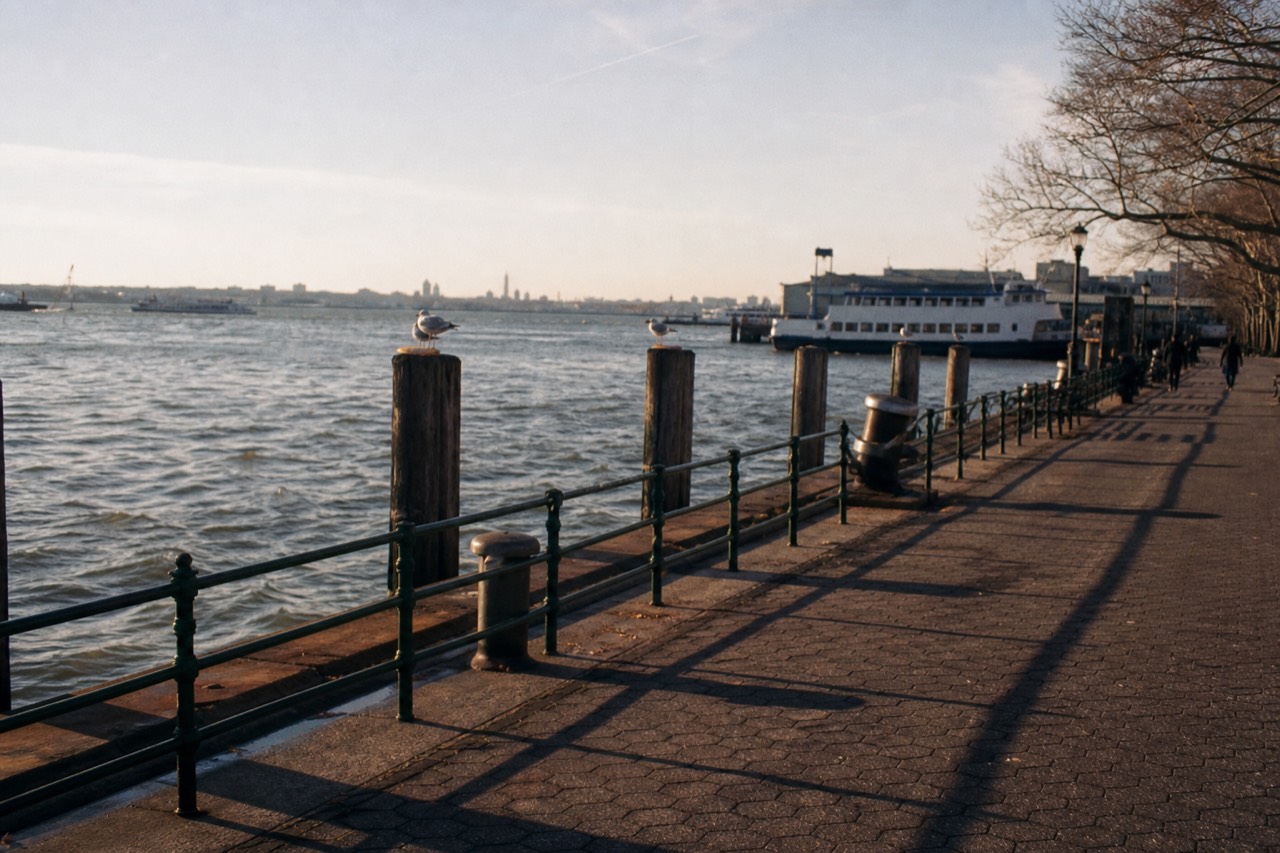
Somebody in a high-visibility vest steps out near the Battery Park ferry queue, quotes a price for the Statue of Liberty, and does not mention the number leaves out the boat. That pattern is written up in a 2026 City Council investigation. Almost everything you need to avoid here is a transaction, not a neighborhood.
What should tourists avoid in NYC?
Four things, all documented rather than rumored: costumed characters near Times Square demanding $20 to $40 after an unrequested photo, people dressed as monks pressing bracelets then asking for donations, unlicensed sellers near Battery Park quoting Statue of Liberty prices that omit the ferry, and pedicabs that hide the legally required per-minute rate.
None are violent, and none are a reason to avoid the areas where they happen. All four have the same fix: buy tickets from official sources beforehand, and refuse any transaction a stranger starts.
| What happens | How it works | Typical cost | The fix |
|---|---|---|---|
| Costumed characters | Photo taken before you agree, then payment demanded | $20 to $40 or more | Refuse the pose; you owe nothing |
| Fake monks | A bracelet pressed into your hand, then a donation request | $20 to $100 | Hand it straight back and keep walking |
| Unlicensed ticket sellers | Official-looking clothing, incomplete prices, sometimes invalid tickets | The ferry, paid twice | Buy the $33 official ticket ahead |
| Pedicabs | Per-minute rate obscured or unposted, fees added | Often triple digits | Confirm the rate, take the information card |
How do you avoid the Statue of Liberty ticket problem?
Buy the official ticket, which starts at $33 and comes from the official ferry concessioner. It covers the boat, Liberty Island, Ellis Island and both museums. Anything sold on a sidewalk near the water is either a resale at a markup or a price that quietly excludes the crossing itself.
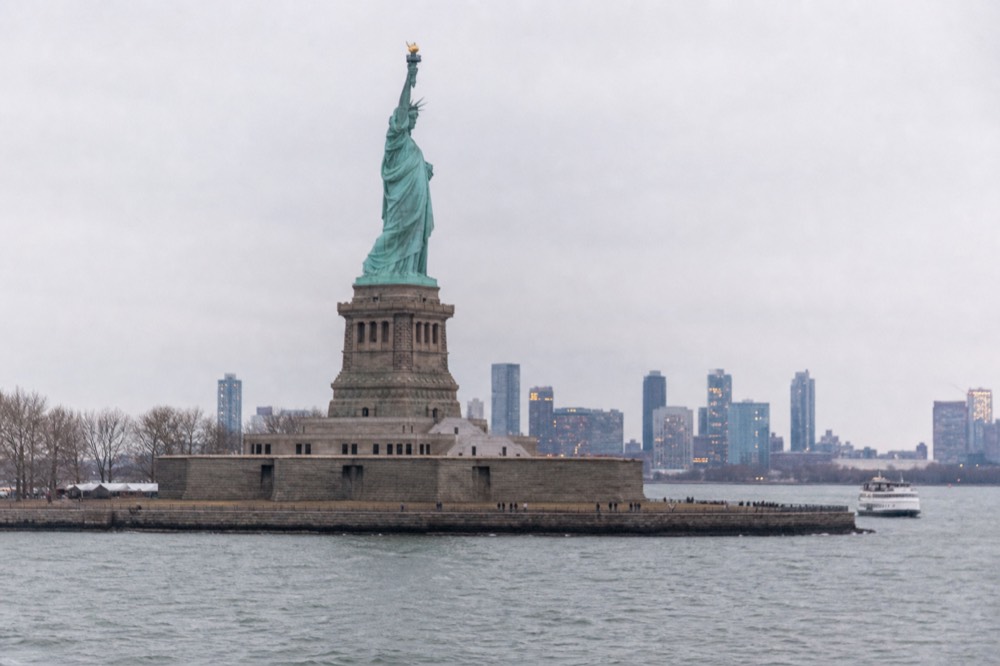
It works because the ferry is the only way onto the island, so a price without it sounds plausible until you reach the dock. The official ticket rates 4.6 across 20,597 reviews and cancels free up to 24 hours out, so buying ahead is close to risk-free; check times and the current price before leaving the hotel. For the crown, the National Park Service releases tickets on the first of each month for six months out, and peak dates go three to six months early. The pedestal is 215 steps, the crown adds 162 narrow ones, with a ten-minute limit and a 42-inch minimum height.
Ellis Island stays open through a $117 million renovation due in 2026, so parts of the museum may sit behind hoarding.
What about pedicabs, characters and street sellers?
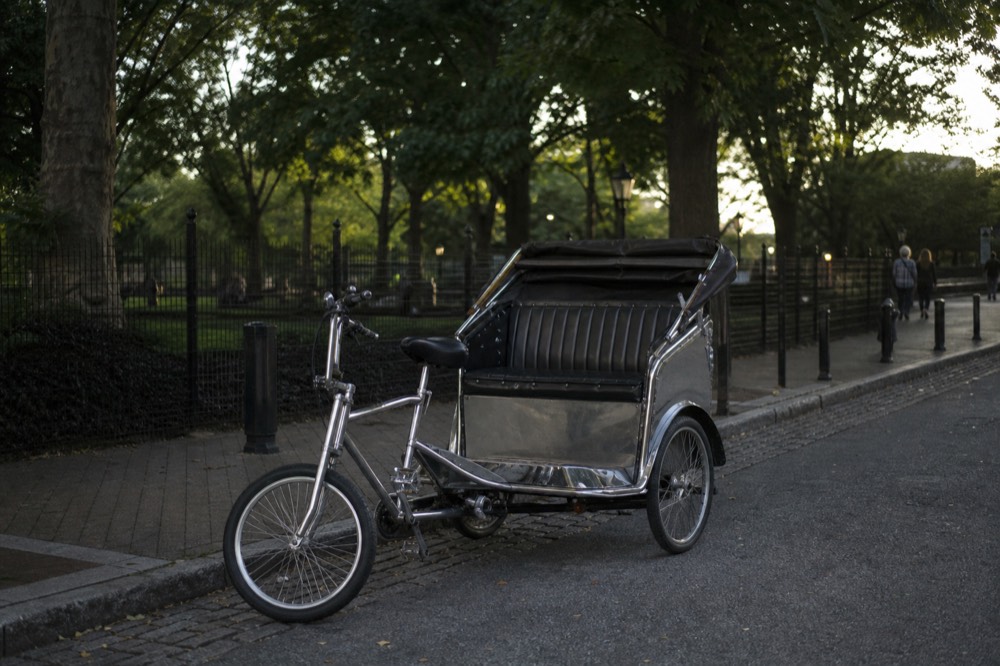
City rules are specific. A pedicab driver must display the per-minute rate, run a timer, hand you an information card, and cannot add tax, a per-passenger charge or any other fee. If the rate is not posted where you can read it before the ride, that is the whole warning.
Investigators found unlicensed pedicabs working Times Square and Battery Park with rate signs obscured or missing. That is how a fifteen-minute loop becomes a three-figure bill. The city publishes the rules in its consumer protection guide for tourists. Ask the rate out loud, ask for the card, and if either answer is vague, walk. None of this makes the headline sights skippable: the big three attractions remain worth the crowds when booked through official channels.
Costumed characters run the same psychology in reverse. The photo happens first, the price second, and the pressure is social rather than physical. Saffron-robed bracelet sellers follow an identical script before switching to a donation request. Actual monks do not solicit this way.
Where should you not eat, and what should you not book?
Skip the sit-down restaurants keeping a menu board on the Times Square sidewalk and a person outside working the crowd. That food is priced for people who will never come back. Ten minutes of walking in almost any direction reaches somewhere locals actually queue for.
The underrated alternative is a guided eating walk where the food was good before tourism arrived. Three hours in Greenwich Village with six tastings runs $99, rates 5.0 across 1,652 reviews and carries an excellence award, rare at that review volume. See which afternoons still have space.
The other booking worth a second thought: the sightseeing bus. Those listings rate between 3.1 and 4.1, and 2026 reviewers repeat the same complaints: long stop waits, patchy audio, heat on the lower deck. Not a scam, just weak at the price. We sell none, and the alternatives sit in whether the sightseeing bus is worth it and which harbor boat tour is best.
If the aerial view is what you wanted, the helicopter does it properly: 12 to 18 minutes of flying from the Downtown Manhattan Heliport, doors on, rated 4.8 across 7,445 reviews, from $322. Flights run Monday to Saturday, 10am to 5pm, over water routes only, so a Sunday plan will not work.
Is New York actually dangerous?
No, and the numbers say so plainly. Citywide index crime was down close to 6 percent year to date by mid-2026, with record-low murders and shooting incidents in the first half of the year. The city took 65 million visitors in 2025. Your realistic risk is overpaying, not harm.
That is not an argument for acting like a target. A phone held loosely at the top of subway stairs, cash counted in the street: bad ideas in any dense city. For anything neighborhood-specific, the official city tourism site beats a forum thread.
What is the short version?
Pay official sources for official things, never accept an unsolicited object or photograph, and confirm a price before any meter starts. Those three habits cover every documented problem on this page, and none of them costs you a single sight.
Everything else people warn about is preference, not risk. The subway is cheap and fine, and how the $3 fare and weekly cap work saves more than dodging any scam here. A guided package hands tickets and timing to somebody else; what a package costs has the figures. Or browse every verified day tour and ticket and the full lineup of nine tours.
Common questions from first-time visitors
What should tourists avoid in NYC?
Unsolicited street transactions, mainly. Costumed characters demanding $20 to $40 after a photo, bracelet sellers dressed as monks pushing donations, unlicensed sellers near Battery Park quoting Statue of Liberty prices without the ferry, and pedicabs hiding the required per-minute rate. Buy tickets from official sources in advance.
How much is the real Statue of Liberty ticket?
The official ticket starts at $33 and includes the ferry, Liberty Island, Ellis Island and both museums. It rates 4.6 across 20,597 reviews and cancels free up to 24 hours ahead. Crown access is separate, released on the first of each month for six months out.
Are pedicabs a scam in New York?
Not inherently, but the rules exist for a reason. Drivers must post a per-minute rate, run a timer and give you an information card, and cannot add tax or per-passenger fees. A 2026 City Council investigation found unlicensed pedicabs with obscured rate signs. No visible rate means no ride.
Is Times Square worth visiting or should I skip it?
Walk through it, do not eat or book anything in it. The lights are worth ten minutes at night and the area is well policed. Restaurants with sidewalk touts and characters working the crowd are what to avoid. TKTS booths there are legitimate, selling same-day seats at 20 to 50 percent off.
Is New York City safe for tourists in 2026?
The data is favorable. Index crime was down nearly 6 percent year to date by mid-2026, with record-low murders and shooting incidents in the first half of the year, across a city that hosted 65 million visitors in 2025. Ordinary urban care applies, especially with phones on subway platforms.