
What To Wear In NYC In Winter
Updated November 3, 2026
A practical winter packing answer for New York City: real temperature normals, the layering system that survives the subway, and what to skip.
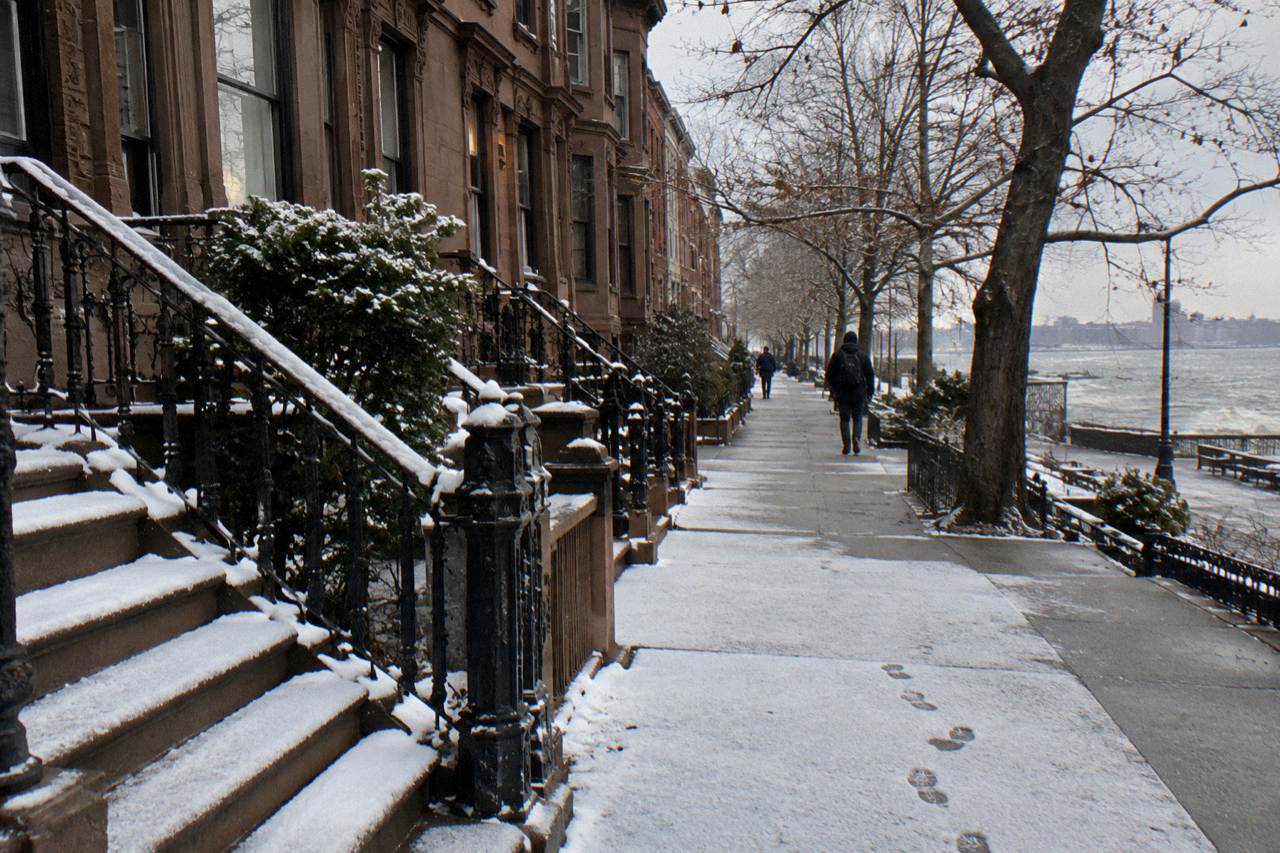
What To Wear In NYC In Winter
Plan around three thin layers, waterproof shoes with real grip, and accessories you can stuff in a bag: New York's winter normals run roughly 28 to 42 degrees Fahrenheit in January, and the real problem is wind between tall buildings and overheated interiors, not extreme cold. Central Park climate normals put January at an average high of 39.5 and a low of 27.9, with February slightly milder at 42.2 and 29.5. That is cold, but it is Chicago-or-Boston cold, not Arctic cold, and the city's rhythm of street, subway, and heated museum means you will shed and re-add layers a dozen times a day.
The mistake most first-time visitors make is packing for the street and forgetting the train. Subway platforms in January sit somewhere between the two, and the cars themselves can be hot enough that a heavy parka becomes a burden you carry on your arm for twenty minutes. A puffer rated for a ski slope is the wrong tool here. So is a wool coat with no wind resistance, because the avenues funnel December wind straight into your face at intersections.
If a winter trip is still in the planning stage, the layering logic below slots neatly into a fixed itinerary, and the 5-day spotlight on New York City bundles the indoor-heavy highlights, which is worth considering when the forecast is uncertain.
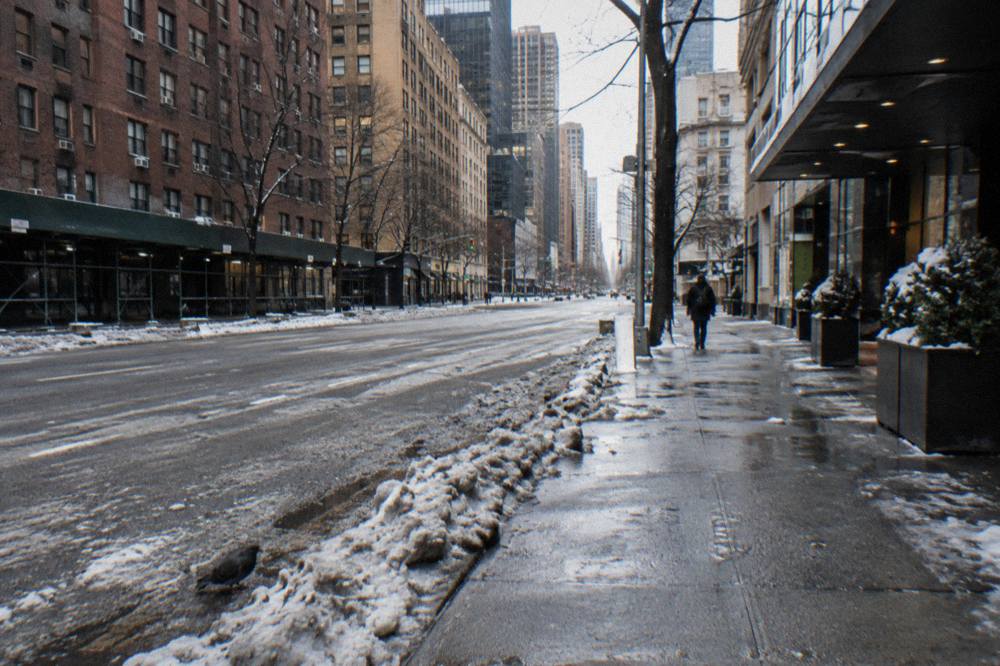
How Cold Does New York Actually Get?
By official Central Park normals, average highs run 39.5 in January, 42.2 in February, and 46 in December, with lows in the upper 20s, and measurable snow averages about 29.8 inches a year, concentrated December through March. February alone averages 10.1 inches of snow, making it the snowiest month on the books. July, for contrast, averages a high of 84.9, which tells you how wide the seasonal swing really is.
These are 30-year climate averages, not forecasts, but they frame the packing decision well. A typical December day asks for a real coat and a hat. A typical January morning asks for gloves too. What the averages hide is the wind chill on an open avenue or a ferry deck, where the feels-like number can drop ten degrees below the printed one within a block of walking.
| Month | Avg High (F) | Avg Low (F) | Precipitation (in) | What It Means For Clothing |
|---|---|---|---|---|
| December | 46 | ~33 | ~4 | Coat, hat, light gloves |
| January | 39.5 | 27.9 | 3.64 | Full layers, scarf, warm shoes |
| February | 42.2 | 29.5 | 3.19 | Layers plus snow-ready footwear |
| March | ~50 | ~35 | ~4 | Changeable, layers you can shed |
The moisture numbers matter more than they look. Precipitation is spread fairly evenly across winter months, which means rain, sleet, and snow all show up, and the thing that actually fails first on most visitors is footwear, not outerwear. Month-by-month planning context, including the shoulder seasons if dates are flexible, is covered in Best Time To Visit New York: Month By Month.
The Three-Layer System That Works On Fifth Avenue
Wear a moisture-wicking base layer, an insulating mid layer such as a fleece or light down, and a wind-and-water-resistant shell: that combination handles everything from a 28-degree morning walk to an 80-degree museum gallery, and each piece weighs less than the single parka it replaces. The system exists precisely because New York's interiors run hot. The base layer is what saves you when the subway car is warm and you cannot take your coat off fast enough.
The base layer is the piece people skip and shouldn't. A cotton t-shirt holds sweat against your skin, and that damp fabric turns cold the moment you step back outside. Merino wool or a synthetic blend stays warm even when damp, which is why it earns its place in the suitcase. The mid layer does the actual warming: a fleece, a light down sweater, or a thick knit all work, and the knit has the advantage of looking acceptable in a restaurant.
The shell is where the budget should go. Wind resistance matters more than insulation in a vertical city, because the streets channel gusts and the wind chill does the damage. A shell with a water-repellent finish also covers the sleet scenario, which in a New York winter is more common than the postcard snow.
| Layer | What Works | What Fails | Why |
|---|---|---|---|
| Base | Merino or synthetic tee, long sleeves | Cotton t-shirt | Cotton holds sweat and chills on exit |
| Mid | Fleece, light down sweater, wool knit | Heavy ski sweater | Bulk without adjustability indoors |
| Shell | Wind-resistant, water-repellent coat | Loose weave wool only | Wind chill on avenues, sleet |
| Lower body | lined pants or tights under trousers | Thin leggings alone | Lows in the upper 20s in January |
| Feet | Waterproof boots with grip | Smooth-soled sneakers | Slush, refreeze, 10.1 in Feb snow |
Bottoms are simpler than tops but not free. Jeans over a pair of tights or thermal leggings handle January fine. Thin leggings alone do not, particularly on a windy evening near the water.
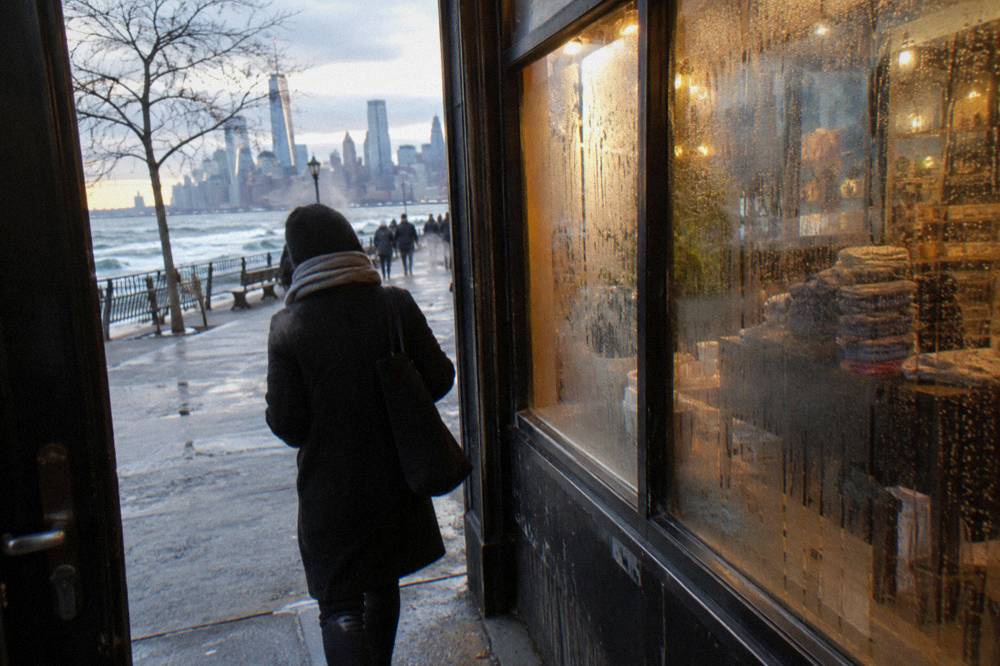
Budget context helps here too: the trip-cost planning figures put budget travel at $75 to $120 per day excluding lodging, per aggregated traveller spending data, and clothing you already own beats clothing bought on Fifth Avenue at rush hour. If longer days out are on the plan, a self-guided option like the 10-day New York Crosswise route leaves the pacing, and therefore the wardrobe changes, in your own hands.
What To Wear For Snow, Wind, And The Subway
Dress for snow and wind in waterproof boots with solid grip, a hat, and gloves that stay dry, then plan for the subway with a bag big enough to hold whatever layer you strip off between the cold platform and the warm car. February's 10.1-inch average snowfall means slush puddles at every corner and refrozen pavement at night. Smooth leather soles turn into skates in that mix. A boot with a lug sole and a waterproof membrane is the single highest-value item on the list.
The subway transition deserves its own sentence. The base fare is $3 per ride with a $35 weekly OMNY cap, per the published fare schedule, and a winter visitor will ride constantly, which means constantly moving between three temperature zones: the street, the platform, and the car. The layering system above is built for exactly that cycle. A single heavy coat is not.
Accessories close the gap. A scarf or buff covers the wind-chill zone between collar and chin, a beaten-up beanie beats an umbrella for practicality in sleet, and touchscreen gloves keep the transit app usable. None of these need to be expensive, and all of them fit in a daypack when the sun comes out and the afternoon climbs toward the monthly high.
One cost note that belongs with any winter walking plan: if you ride a car below 60th Street in Manhattan, the congestion toll is $9 at peak for cars, with a $0.75 taxi surcharge and $1.50 for Uber and Lyft per the official tolling program page, none of which touches a pedestrian, but all of which argues for the boots-and-subway approach on a clothing day like this one.
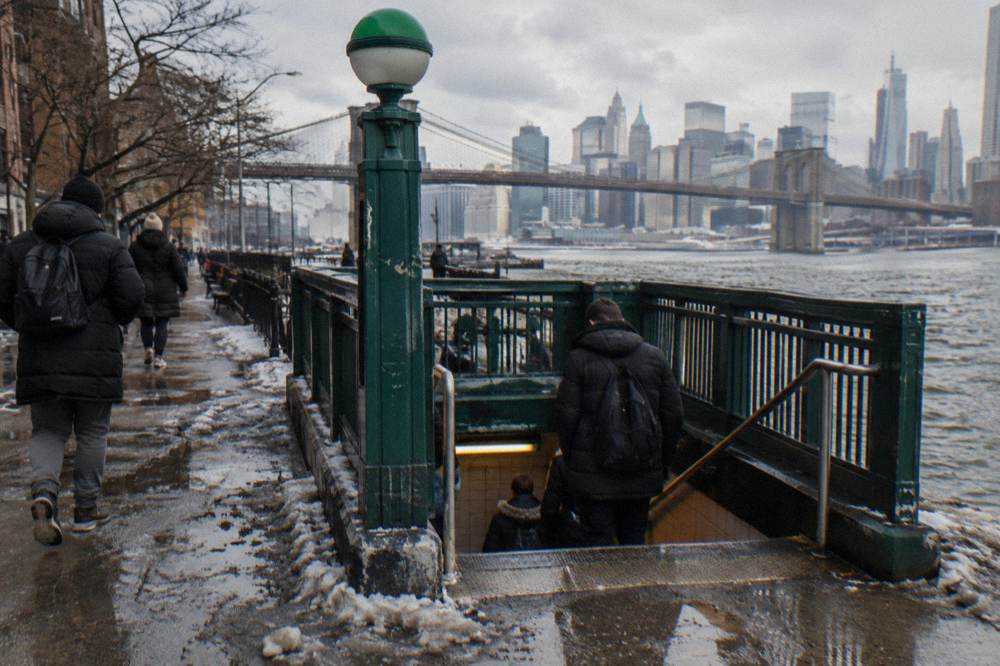
How Winter Clothing Fits A Tour Day
Dress one layer lighter than the forecast suggests for any tour that mixes a vehicle with walking, because you will sit still in a warm bus or van for longer stretches and then walk fast in the cold, and that alternation punishes over-dressing. A guided day out in January is a different clothing problem than a museum day: the vehicle segments overheat you, the walking segments chill you, and the stops in between rarely give you time to fully reorganize. The mid layer is what you take off and put on at every stop.
Indoor anchor points help shape the day as much as the outdoor ones. Evening plans at a show benefit from the same flexibility: TKTS same-day booths offer up to 50 percent off face value per the program's live listing, and a theatre interior is warm enough that the coat-check queue becomes the coldest part of the evening. Theatre district walking in January rewards the scarf-and-gloves setup more than the coat's insulation rating does.
For travellers matching clothing to itinerary shape, a fixed four-day plan with indoor anchors spelled out is in New York Itinerary: 4 Days, Planned Honestly (2026), and the shorter version of the same question is answered in What Should I Do In New York For 3 Days?. Multi-day circuits that leave the city altogether, such as the road-trip option on the New Jersey to Long Island route, add a different wrinkle: coastal stretches run colder than Manhattan's street canyons, so the shell and hat earn their keep twice over.
The honest summary of the whole question fits in one sentence: pack for repeated 30-degree swings, not for a 28-degree standstill. The site behind this article, New York Tour Packages, spends more of its pages on what to do than what to wear, but the two decisions collide every winter morning, and the clothing answer is almost always layers, waterproof shoes, and nothing you would be embarrassed to peel off in a gallery.
Common Questions About Winter Clothing In New York
What To Wear In NYC In Winter?
Three layers: a moisture-wicking base, a fleece or light down mid layer, and a wind-resistant shell, plus waterproof boots, a hat, gloves, and a scarf. January normals run 39.5 high and 27.9 low, and February averages 10.1 inches of snow, so grip and waterproofing matter as much as warmth.
Do I Need A Heavy Parka For New York?
Usually not. A wind-resistant, water-repellent shell over an insulating mid layer handles the typical January day and adapts to overheated interiors. A single heavy parka works on the street but becomes a liability on warm subway cars and in museums.
What Shoes Work In A New York Winter?
Waterproof boots with a lug sole. February averages 10.1 inches of snow and the slush refreezes at night, so smooth-soled sneakers and dress shoes lose grip and soak through within a few blocks.
Is The Subway Cold In Winter?
The platforms are cool and the cars are warm, which is the core reason for the layering approach. The fare is $3 per ride with a $35 weekly OMNY cap, and a winter visitor rides often, so plan clothing for constant temperature changes rather than one steady state.
How Should I Dress For A Winter Tour Day?
One layer lighter than the forecast suggests when a vehicle is involved, because warm buses alternate with cold walking stops. Keep the mid layer accessible so you can strip it off and put it back on at every stop instead of sweating through the base layer.